What is AI Image Enhancer
AI Image Enhancer is a cutting-edge technology that utilizes artificial intelligence to improve the quality of digital images. This revolutionary tool has transformed the way we perceive and interact with visual content, offering a wide range of applications across various industries. From photography and graphic design to e-commerce and social media, AI Image Enhancer has become an indispensable asset for professionals and enthusiasts alike.
At its core, AI Image Enhancer employs sophisticated algorithms and machine learning techniques to analyze and optimize images. These intelligent systems can identify areas for improvement and apply targeted enhancements, resulting in sharper, clearer, and more visually appealing pictures. The technology can address common issues such as low resolution, noise, blur, and color imbalances, effectively breathing new life into subpar or aging photographs.
How does AI Image Enhancer tools work?
AI Image Enhancer tools operate on complex principles of computer vision and deep learning. The process typically involves several key steps:
- Image Analysis: The AI system examines the input image, identifying various elements such as edges, textures, colors, and objects.
- Pattern Recognition: Leveraging vast datasets of high-quality images, the AI recognizes patterns and features that contribute to visual appeal.
- Enhancement Application: Based on the analysis, the tool applies specific enhancements to improve image quality. This may include:
- Upscaling resolution
- Reducing noise and artifacts
- Sharpening details
- Balancing colors and contrast
- Removing unwanted elements
- Fine-tuning: Advanced AI models can make contextual decisions, ensuring that enhancements are applied appropriately to different parts of the image.
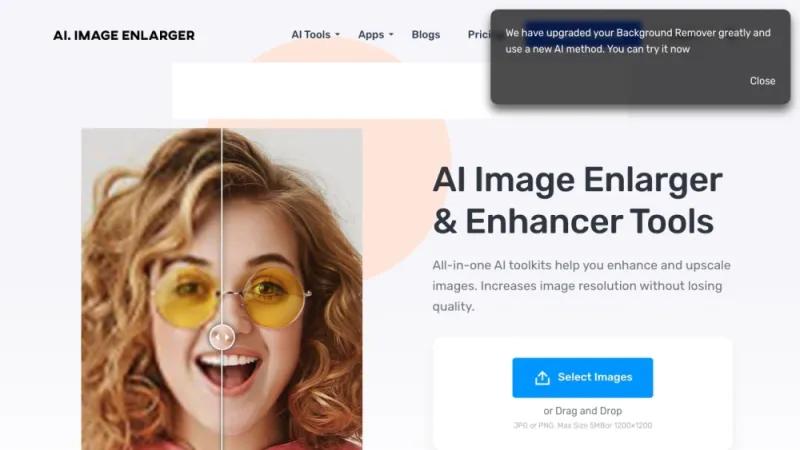
- Output Generation: The final enhanced image is produced, often allowing users to compare it side-by-side with the original.
The efficiency and effectiveness of these tools stem from their ability to learn and improve over time. As more images are processed, the AI becomes increasingly adept at recognizing patterns and applying optimal enhancements, resulting in consistently high-quality outputs.
Best AI Image Enhancer
Selecting the best AI Image Enhancer tool depends on specific needs and preferences. However, several factors contribute to the excellence of these tools:
- Accuracy and Quality: Top-tier enhancers produce natural-looking results without introducing artifacts or distortions.
- Versatility: The ability to handle various image types, formats, and enhancement tasks is crucial.
- User-Friendliness: Intuitive interfaces and straightforward workflows make the enhancement process accessible to users of all skill levels.
- Processing Speed: Efficient algorithms that can quickly enhance images, even in batch processing scenarios.
- Customization Options: Advanced tools offer granular control over enhancement parameters, allowing users to fine-tune results.
- Integration Capabilities: Compatibility with popular image editing software and workflows enhances productivity.
When evaluating AI Image Enhancer tools, it's essential to consider these factors alongside specific requirements. For instance, a professional photographer might prioritize precise control and high-fidelity outputs, while a social media manager may value speed and ease of use. By assessing these criteria, users can identify the tool that best aligns with their needs and delivers optimal results.
AI Image Enhancer Tools
The landscape of AI Image Enhancer tools is diverse, offering solutions for various use cases and skill levels. These tools can be broadly categorized into several types:
- Desktop Applications: Standalone software installed on local machines, often providing powerful features and offline processing capabilities.
- Web-Based Platforms: Cloud-powered solutions accessible through web browsers, offering convenience and eliminating the need for local installation.
- Mobile Apps: Designed for on-the-go enhancement, these tools bring AI capabilities to smartphones and tablets.
- API Services: Tailored for developers and businesses, these allow integration of AI image enhancement into existing applications and workflows.
- Plugin Extensions: Seamlessly integrate with popular image editing software, enhancing functionality without disrupting familiar environments.
Each type of tool caters to different needs and preferences. For instance, professional photographers and graphic designers might lean towards robust desktop applications that offer granular control and batch processing capabilities. In contrast, casual users and social media enthusiasts may prefer user-friendly web-based or mobile solutions that provide quick and easy enhancements.
When selecting an AI Image Enhancer tool, consider factors such as the volume of images to be processed, the level of control required, integration with existing workflows, and of course, budget constraints. Some tools offer specialized features like face enhancement, background removal, or style transfer, which may be particularly valuable for specific use cases.
AI Image Enhancer Free
For those looking to explore the capabilities of AI Image Enhancer technology without financial commitment, there are numerous free options available. These tools range from basic online platforms to more advanced solutions with limited free tiers. It's important to note that while free tools can provide impressive results, they may come with certain limitations such as restrictions on image resolution, the number of processed images, or available features.
Users can find both paid and free tools, each offering unique advantages. Free options are excellent for:
- Beginners exploring AI image enhancement
- Occasional users with modest enhancement needs
- Those testing different tools before committing to a paid solution
- Students and hobbyists working on personal projects
However, for professional use or high-volume processing, paid tools often provide more robust features, higher quality outputs, and dedicated support. When considering free AI Image Enhancer tools, it's crucial to evaluate their capabilities against specific requirements. Some free tools may offer a surprising range of features, while others might focus on simplicity and ease of use.
Ultimately, the choice between free and paid AI Image Enhancer tools depends on individual needs, usage frequency, and the desired level of results. By exploring various options, users can find the perfect balance between functionality and cost, ensuring they have access to the power of AI image enhancement regardless of their budget.

 32.56%