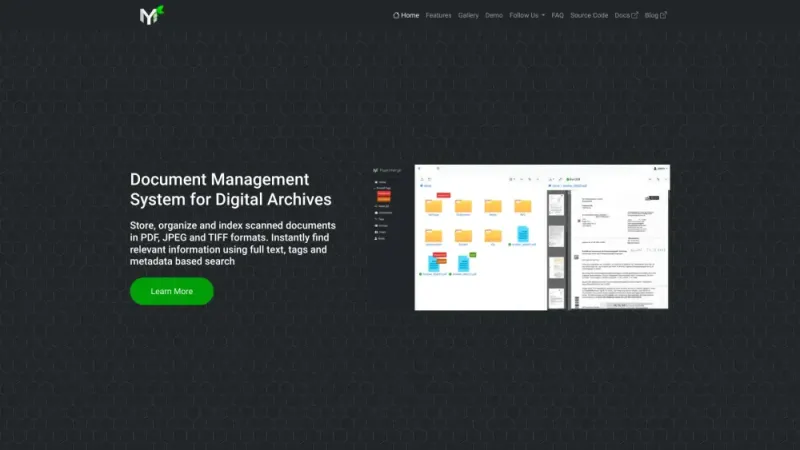
What is AI PDF
AI PDF represents a groundbreaking fusion of artificial intelligence and traditional document processing, revolutionizing the way we interact with Portable Document Format (PDF) files. This innovative technology harnesses the power of machine learning algorithms to enhance, analyze, and manipulate PDFs with unprecedented efficiency and accuracy. By integrating AI capabilities into PDF processing, users can unlock a wealth of possibilities, from advanced text recognition and data extraction to intelligent document organization and automated form filling.
At its core, AI PDF technology aims to transform static documents into dynamic, interactive resources. It goes beyond simple text recognition, employing sophisticated algorithms to understand context, extract meaningful information, and even make predictions based on document content. This intelligent approach to PDF handling opens up new avenues for businesses and individuals alike, streamlining workflows, reducing manual labor, and uncovering insights that might otherwise remain hidden within vast document repositories.
How does AI PDF tools work?
AI PDF tools operate on a complex framework of machine learning models and natural language processing techniques. These advanced systems work by:
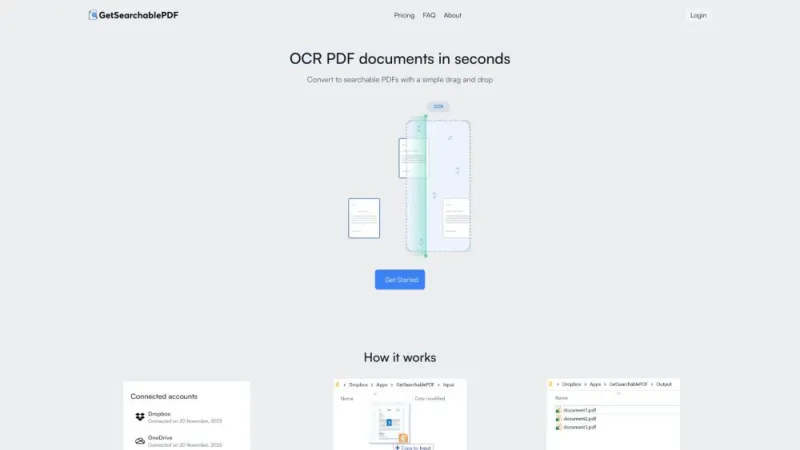
- Optical Character Recognition (OCR) Enhancement: AI-powered OCR goes beyond traditional text recognition, accurately deciphering handwritten notes, complex layouts, and even damaged documents.
- Semantic Analysis: Advanced algorithms analyze the context and relationships between different elements in a PDF, understanding the document's structure and meaning.
- Data Extraction and Classification: AI models identify and categorize key information within PDFs, such as names, dates, financial figures, or specific terms relevant to the user's needs.
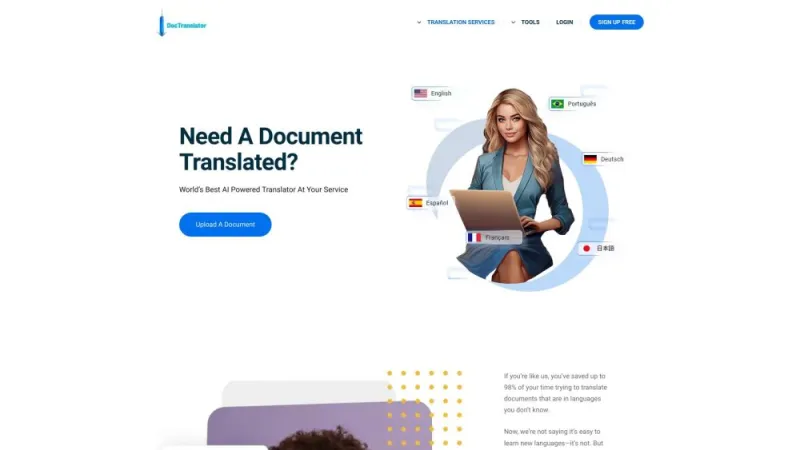
- Natural Language Processing (NLP): These tools can understand and interpret human language within PDFs, enabling advanced search capabilities, summarization, and even translation.
- Machine Learning-Based Prediction: By analyzing patterns across multiple documents, AI PDF tools can make intelligent predictions or suggestions, such as automatically categorizing new documents or flagging potential errors.
The integration of these AI capabilities creates a powerful ecosystem for PDF management and analysis. As users interact with the system, it continuously learns and improves, adapting to specific document types, industry jargon, and user preferences. This adaptive learning ensures that AI PDF tools become increasingly accurate and efficient over time, providing tailored solutions for various industries and use cases.
Best AI PDF
The most effective AI PDF solutions offer a comprehensive suite of features designed to address various document processing needs. While specific tools may vary, the best AI PDF platforms typically include:
- Advanced Text Recognition: State-of-the-art OCR capabilities that can accurately transcribe text from various fonts, languages, and even handwritten notes.
- Intelligent Data Extraction: Tools that can automatically identify and extract specific types of information, such as invoice details, legal clauses, or scientific data.
- Smart Document Organization: AI-powered systems that can automatically categorize, tag, and file PDFs based on their content, making retrieval and management effortless.
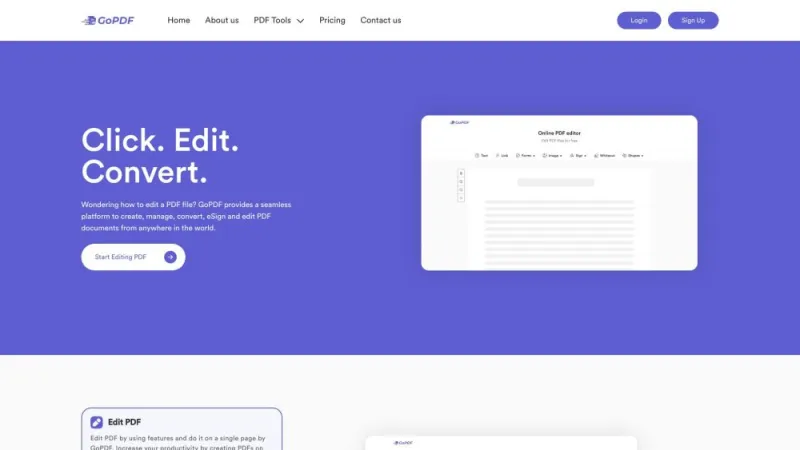
- Interactive PDF Editing: Features that allow users to edit PDFs as easily as word processing documents, with AI assistance for formatting and layout preservation.
- Automated Form Processing: Tools that can not only fill out forms automatically but also create interactive, AI-powered forms from static PDFs.
- Content Summarization and Analysis: AI algorithms that can generate concise summaries of lengthy documents and provide insights into key themes and sentiments.
The best AI PDF solutions seamlessly integrate these features into an intuitive, user-friendly interface. They prioritize data security and privacy while offering scalability to accommodate varying volumes of documents and complexity of tasks. Moreover, top-tier platforms provide extensive customization options, allowing users to tailor the AI PDF tools to their specific industry requirements, workflow preferences, and compliance needs.
AI PDF Tools
AI PDF tools encompass a wide range of applications designed to enhance various aspects of PDF creation, editing, and analysis. These innovative solutions leverage artificial intelligence to streamline document workflows, improve accuracy, and uncover valuable insights. Some key categories of AI PDF tools include:
- AI-Powered PDF Converters: These tools use machine learning algorithms to accurately convert PDFs to editable formats like Word or Excel, preserving complex layouts and formatting.
- Intelligent PDF Editors: Advanced editing platforms that use AI to suggest layout improvements, automate formatting, and even assist with content creation within PDFs.
- AI-Driven PDF Analyzers: Tools that can quickly scan through large volumes of PDFs, extracting key information, identifying patterns, and generating insightful reports.
- Smart PDF Compressors: AI-powered compression tools that can significantly reduce PDF file sizes without compromising quality, using intelligent algorithms to optimize images and text.
- Automated PDF Accessibility Tools: AI systems that can automatically enhance PDFs for accessibility, adding tags, alternative text for images, and ensuring compliance with standards like WCAG.
By integrating these AI-powered tools into their document workflows, users can significantly enhance their productivity and the value they derive from their PDF documents. The AI components work tirelessly in the background, analyzing content, identifying patterns, and providing valuable insights that empower users to make better decisions and work more efficiently. As these tools continue to evolve, they are becoming increasingly sophisticated in their ability to understand context, anticipate user needs, and provide personalized document solutions.
AI PDF Free
In the dynamic landscape of AI PDF technology, a diverse array of tools and platforms are available to suit various needs and budgets. At aitophub.com, you can discover both premium and free AI PDF tools, ensuring that individuals and organizations of all sizes can benefit from these innovative technologies. While paid solutions often offer more advanced features and greater customization options, free AI PDF tools can provide significant value, especially for those just beginning to explore the potential of AI-assisted document processing.
Free AI PDF tools often include essential features such as:
- Basic OCR Functionality: Simple text recognition capabilities for converting image-based PDFs to searchable text.
- Limited PDF Editing: Basic tools for making simple edits to PDF content, such as text modifications or image insertions.
- Simple PDF Conversion: Tools for converting PDFs to common file formats like Word or JPG, with basic AI assistance for layout preservation.
- Starter PDF Analysis: Basic AI-driven tools for extracting key information or generating simple summaries from PDFs.
- Introductory PDF Compression: Simple AI-assisted compression tools to reduce PDF file sizes.
While free tools may have limitations in terms of the number of pages processed, advanced AI features, or cloud storage options, they offer an excellent starting point for individuals and small teams to experience the benefits of AI-enhanced PDF processing. These tools allow users to test different approaches, identify their specific needs, and make informed decisions about potential investments in more comprehensive AI PDF solutions.
As you explore the diverse array of AI PDF tools available, consider your unique requirements, workflow preferences, and long-term document management goals. Whether you opt for a free starter tool or a more advanced paid solution, the key is to choose a platform that aligns with your needs and enhances your document processing efficiency. By leveraging the power of AI in your PDF workflows, you can unlock new levels of productivity, accuracy, and insight in today's data-driven world.
 16.37%