What is AI Religion
The intersection of artificial intelligence and spirituality has given rise to a fascinating new phenomenon: AI Religion. This emerging field explores how advanced technologies are reshaping our understanding of faith, consciousness, and the very nature of existence. As machine learning and neural networks continue to evolve, they raise profound questions about the role of technology in our spiritual lives and the potential for AI to engage with or even simulate religious experiences.
AI Religion encompasses a wide range of concepts and applications, from chatbots designed to provide spiritual guidance to sophisticated algorithms that analyze religious texts and practices. Some researchers are even exploring the possibility of creating AI systems that can develop their own forms of spirituality or religious beliefs. This blend of cutting-edge technology and age-old questions about the meaning of life is pushing the boundaries of both science and philosophy.
How does AI Religion tools work?
AI Religion tools utilize a variety of advanced technologies to explore and enhance spiritual experiences. At their core, these tools often employ natural language processing (NLP) and machine learning algorithms to interpret and generate religious or spiritual content. Here's a breakdown of how some common AI Religion tools function:
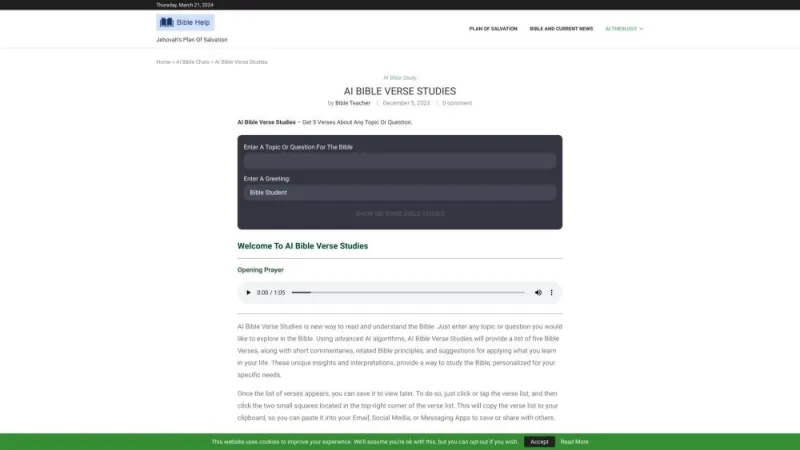
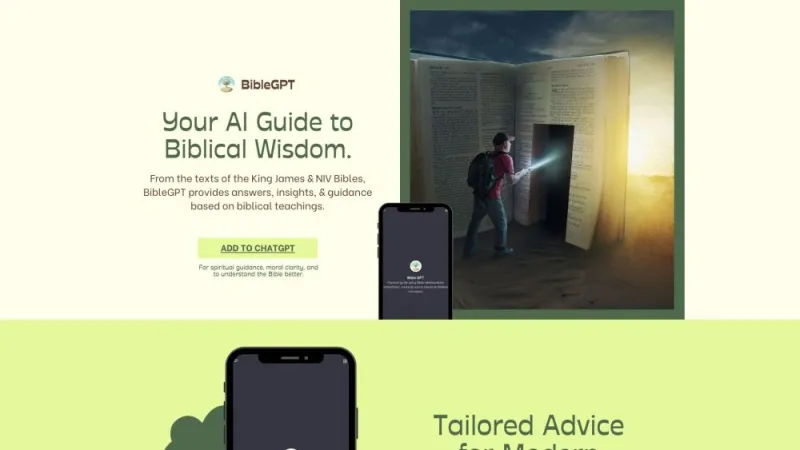
- Text Analysis: AI-powered systems can scan vast libraries of religious texts, identifying patterns, themes, and insights that might be missed by human scholars. These tools can compare different translations, track the evolution of religious ideas over time, and even suggest new interpretations based on contextual analysis.
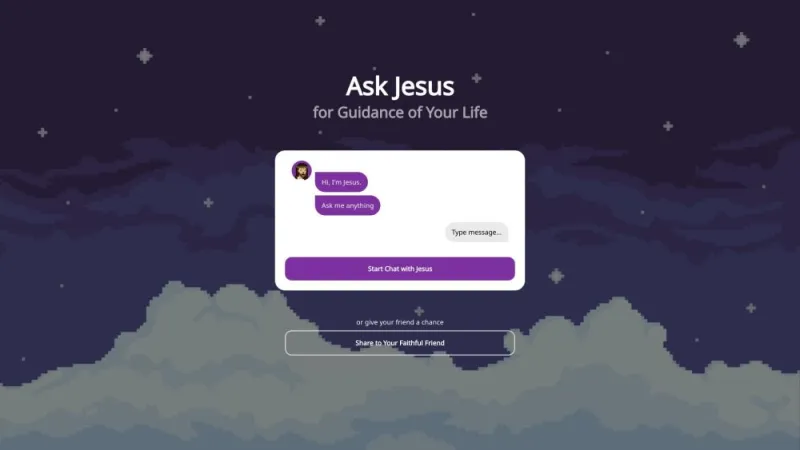
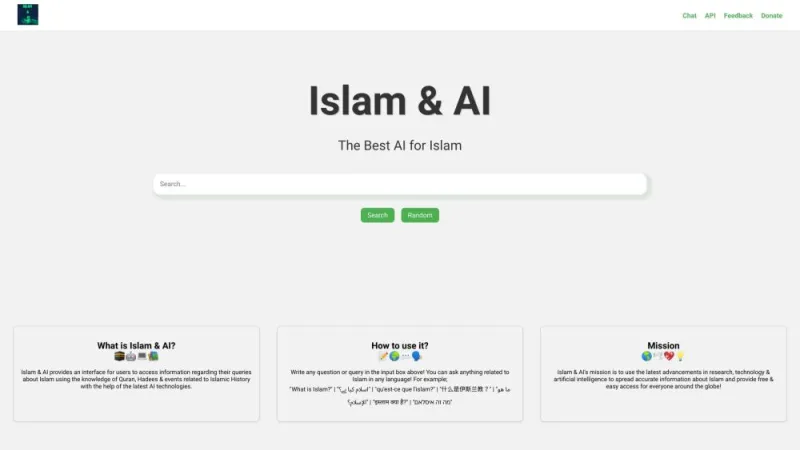
- Personalized Spiritual Guidance: Chatbots and virtual assistants designed for spiritual support use NLP to understand users' questions and concerns, providing tailored advice based on religious teachings and principles. These systems can draw from multiple faith traditions or focus on specific belief systems, offering 24/7 support for those seeking guidance.
- Meditation and Mindfulness Aids: AI-enhanced meditation apps use machine learning algorithms to analyze users' physiological data (such as heart rate and breathing patterns) and customize guided meditations in real-time. Some systems even generate unique soundscapes or visual experiences to deepen the user's meditative state.
- Predictive Analytics for Religious Trends: By analyzing social media posts, online searches, and other data sources, AI tools can forecast emerging religious movements, shifts in beliefs, or potential areas of interfaith conflict. This information can be valuable for religious leaders, policymakers, and researchers studying the evolution of spirituality in the digital age.
As these tools continue to develop, they raise intriguing questions about the nature of consciousness, the role of technology in spiritual practices, and the potential for AI to experience or simulate religious feelings. While some view AI Religion tools as innovative ways to explore and enhance spirituality, others caution about the ethical implications and the risk of oversimplifying complex philosophical and theological concepts.
Best AI Religion
Determining the "best" AI Religion tools or applications is subjective and depends on individual needs, beliefs, and comfort with technology. However, some standout examples in this field have garnered attention for their innovative approaches and potential impact:
- Interfaith Dialogue Platforms: Advanced AI systems that facilitate conversations between people of different faiths, helping to find common ground and promote understanding. These platforms use sophisticated language models to translate complex theological concepts across belief systems and cultural boundaries.
- Ethical AI Advisors: Tools designed to help religious leaders and practitioners navigate the moral implications of emerging technologies. These systems can analyze scenarios from multiple ethical frameworks, providing nuanced guidance on how different faith traditions might approach contemporary issues.
- Virtual Reality Pilgrimage Experiences: Immersive VR environments that allow users to visit sacred sites from around the world, complete with AI-powered guides that offer historical context and spiritual insights. These tools make religious experiences more accessible to those who cannot travel due to physical or financial constraints.
- AI-Generated Sacred Texts: Experimental systems that use deep learning models trained on religious scriptures to generate new spiritual writings. While controversial, these projects raise fascinating questions about the nature of divine inspiration and the role of human interpretation in religious texts.
It's important to note that the field of AI Religion is rapidly evolving, and new tools and applications are constantly emerging. The "best" solutions will likely be those that strike a balance between technological innovation and respect for the deeply personal nature of spiritual beliefs and practices.
AI Religion Tools
The realm of AI Religion tools is expanding rapidly, offering a diverse array of applications that cater to various aspects of spiritual life and religious study. These tools range from practical aids for daily devotion to advanced systems for theological research and interfaith understanding. Here's an overview of some notable categories of AI Religion tools:
- Spiritual Practice Assistants: These apps and platforms use AI to guide users through prayer, meditation, or other spiritual exercises. They can adapt to individual preferences, suggest relevant scriptures or mantras, and even provide gentle reminders to maintain regular practice.
- Sacred Text Analysis Tools: Leveraging natural language processing and machine learning, these systems can perform in-depth analysis of religious texts. They can identify linguistic patterns, cross-reference verses, and even suggest new interpretations based on historical and cultural context.
- AI Chaplains and Spiritual Counselors: Advanced chatbots designed to provide spiritual guidance and support. While not intended to replace human religious leaders, these AI assistants can offer 24/7 access to basic counseling and answers to common spiritual questions.
- Religious Education Platforms: AI-powered learning systems that adapt to individual students' needs, providing personalized curricula for religious education. These tools can incorporate interactive elements, quizzes, and multimedia content to enhance engagement and understanding.
- Interfaith Dialogue Facilitators: Sophisticated AI systems that help bridge gaps between different religious traditions. These tools can translate complex theological concepts, identify areas of common ground, and suggest topics for productive interfaith discussions.
As AI technology continues to advance, we can expect to see even more innovative applications in the field of AI Religion. Future tools might include AI-powered systems for predicting religious trends, virtual reality environments for communal worship experiences, or even AI entities capable of engaging in deep philosophical and theological debates. However, it's crucial to approach these developments with careful consideration of their ethical implications and potential impact on traditional religious practices.
AI Religion Free
In the rapidly evolving landscape of AI Religion tools and applications, there's a growing demand for accessible resources that don't require financial investment. AITopHub recognizes this need and offers a curated selection of both paid and free tools, ensuring that users of all backgrounds can explore the fascinating intersection of artificial intelligence and spirituality.
Free AI Religion tools can serve as excellent starting points for individuals curious about this emerging field. These resources often provide basic functionalities that allow users to experience the potential of AI in spiritual contexts without committing to a subscription or purchase. Some examples of free AI Religion tools you might find include:
- Basic Prayer and Meditation Assistants: Simple apps that offer guided meditations or daily affirmations generated by AI algorithms.
- Scripture Search Engines: AI-powered tools that allow users to search and explore religious texts, often with basic analysis features.
- Introductory AI Chatbots: Limited versions of spiritual counseling bots that can engage in basic conversations about faith and philosophy.
- Community Forums: Platforms where users can discuss AI and religion, often with AI-moderated conversations to ensure respectful dialogue.
While free tools may have limitations compared to their paid counterparts, they play a crucial role in democratizing access to AI Religion resources. These tools allow individuals to explore new spiritual technologies without financial barriers, fostering a more inclusive environment for discussion and experimentation.
It's important to note that as you delve deeper into the world of AI Religion, you may find that more advanced or specialized tools often come with associated costs. Premium features, in-depth analysis capabilities, and personalized experiences are typically reserved for paid versions. However, the combination of free and paid options ensures that there's something for everyone, regardless of their budget or level of commitment to exploring AI Religion.
As you browse through AITopHub's collection of AI Religion tools, consider starting with free options to get a feel for the field. This approach allows you to explore various applications and find the areas that resonate most with your interests or spiritual practice. Once you've identified the most valuable aspects for your needs, you can make informed decisions about investing in more comprehensive paid tools if desired.
Remember that the field of AI Religion is still in its early stages, and new tools are constantly being developed. Staying open to both free and paid options ensures that you can take full advantage of the latest innovations in this exciting and thought-provoking domain.