What is AI Speech Synthesis
AI Speech Synthesis, also known as text-to-speech (TTS) technology, is a cutting-edge field that leverages artificial intelligence to convert written text into natural-sounding human speech. This revolutionary technology has transformed the way we interact with digital devices and consume information. By harnessing the power of machine learning algorithms and neural networks, AI Speech Synthesis can generate incredibly lifelike voices that closely mimic human intonation, rhythm, and emotional expression.
The applications of this technology are vast and continue to expand across various industries. From enhancing accessibility for visually impaired individuals to creating more engaging user experiences in virtual assistants, AI Speech Synthesis is reshaping our digital landscape. It's not just about converting text to speech; it's about creating a seamless and natural interaction between humans and machines.
How does AI Speech Synthesis tools work?
AI Speech Synthesis tools employ sophisticated algorithms and deep learning models to produce human-like speech. The process typically involves several key steps:
- Text Analysis: The system first analyzes the input text, breaking it down into linguistic components such as phonemes, syllables, and words. This step also involves understanding the context and intent of the text to determine appropriate intonation and emphasis.
- Phoneme Generation: Based on the text analysis, the AI generates a sequence of phonemes, which are the smallest units of sound in a language that distinguish one word from another.
- Prosody Prediction: The system predicts prosodic features like rhythm, stress, and intonation to make the speech sound more natural and expressive.
- Waveform Generation: Using advanced neural networks, such as WaveNet or Tacotron, the AI generates the actual audio waveform that represents the synthesized speech.
- Post-processing: Finally, the generated waveform undergoes post-processing to enhance audio quality and remove any artifacts.
These tools often utilize vast datasets of human speech to train their models, allowing them to capture the nuances of natural speech patterns. As AI technology continues to advance, we're seeing remarkable improvements in the quality and versatility of speech synthesis, with some systems capable of generating speech that is nearly indistinguishable from human voices.
Best AI Speech Synthesis
The landscape of AI Speech Synthesis is rapidly evolving, with new advancements constantly pushing the boundaries of what's possible. The best AI Speech Synthesis solutions offer a combination of natural-sounding voices, extensive language support, and customization options. Here are some key features that set the top-tier AI Speech Synthesis tools apart:
- Voice Variety: Leading solutions offer a wide range of voices across different ages, genders, and accents, allowing users to find the perfect voice for their specific needs.
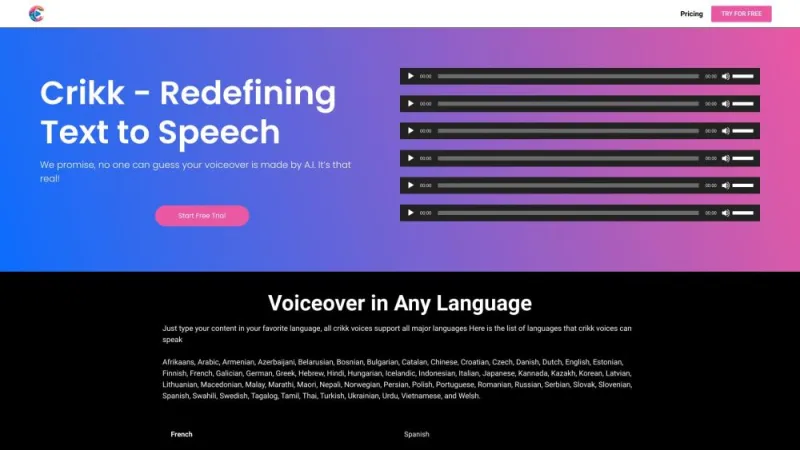
- Multilingual Support: The ability to generate speech in multiple languages and dialects is crucial for global applications.
- Customization: Advanced tools allow users to fine-tune various aspects of the synthesized speech, such as speed, pitch, and emphasis.
- Emotional Intelligence: Top-tier systems can interpret and convey emotions in the synthesized speech, adding another layer of realism.
- Integration Capabilities: The best tools offer easy integration with various platforms and applications, making them versatile for different use cases.
When selecting an AI Speech Synthesis tool, it's important to consider factors such as audio quality, processing speed, and scalability. The ideal solution will depend on the specific requirements of your project or application.
AI Speech Synthesis Tools
The market for AI Speech Synthesis tools is diverse, catering to a wide range of needs and applications. These tools can be broadly categorized into several types:
- Cloud-based Services: These offer scalable, on-demand speech synthesis capabilities without the need for local processing power. They're ideal for businesses and developers looking for flexible, high-quality solutions.
- Desktop Applications: Standalone software that runs on local machines, suitable for users who need offline capabilities or have privacy concerns.
- Mobile Apps: Lightweight applications designed for on-the-go use, often with simplified interfaces and focused functionality.
- API and SDK Solutions: These allow developers to integrate speech synthesis directly into their own applications and services, offering maximum flexibility and customization.
- Open-source Frameworks: For those who want to dive deep into the technology or build custom solutions, open-source tools provide a foundation for experimentation and development.
Each type of tool has its strengths and is suited to different use cases. For instance, cloud-based services are excellent for businesses that need to generate large volumes of speech, while desktop applications might be preferred by individual users or small teams working on specific projects. The choice of tool often depends on factors such as required features, budget, technical expertise, and scalability needs.
AI Speech Synthesis Free
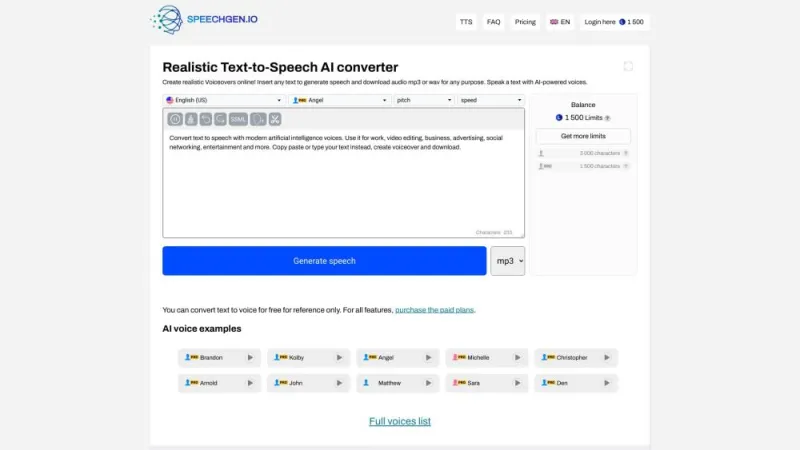
For those exploring AI Speech Synthesis or working within budget constraints, it's worth noting that a range of options is available, including both paid and free tools. Free AI Speech Synthesis tools can be an excellent starting point for individuals, small businesses, or educational institutions looking to experiment with the technology without a significant financial investment.
While free tools may have limitations compared to their paid counterparts, they often provide substantial functionality that can meet many basic needs. Some advantages of free AI Speech Synthesis tools include:
- Accessibility: They allow users to explore and experiment with speech synthesis technology without financial barriers.
- Learning Opportunities: Free tools are great for educational purposes, allowing students and enthusiasts to understand the basics of AI-driven speech synthesis.
- Testing and Prototyping: Developers can use free tools to test concepts and create prototypes before investing in more advanced solutions.
- Community Support: Many free tools, especially open-source ones, have active communities that provide support and contribute to ongoing development.
However, it's important to consider the potential limitations of free tools, such as restricted voice options, limited customization, or usage caps. As projects grow or requirements become more complex, transitioning to paid solutions might become necessary to access advanced features, higher quality output, or better support.
Whether opting for free or paid solutions, the key is to choose a tool that aligns with your specific needs and goals. By exploring the diverse range of AI Speech Synthesis tools available, you can find the perfect balance of functionality, quality, and cost-effectiveness for your projects.
 17.41%